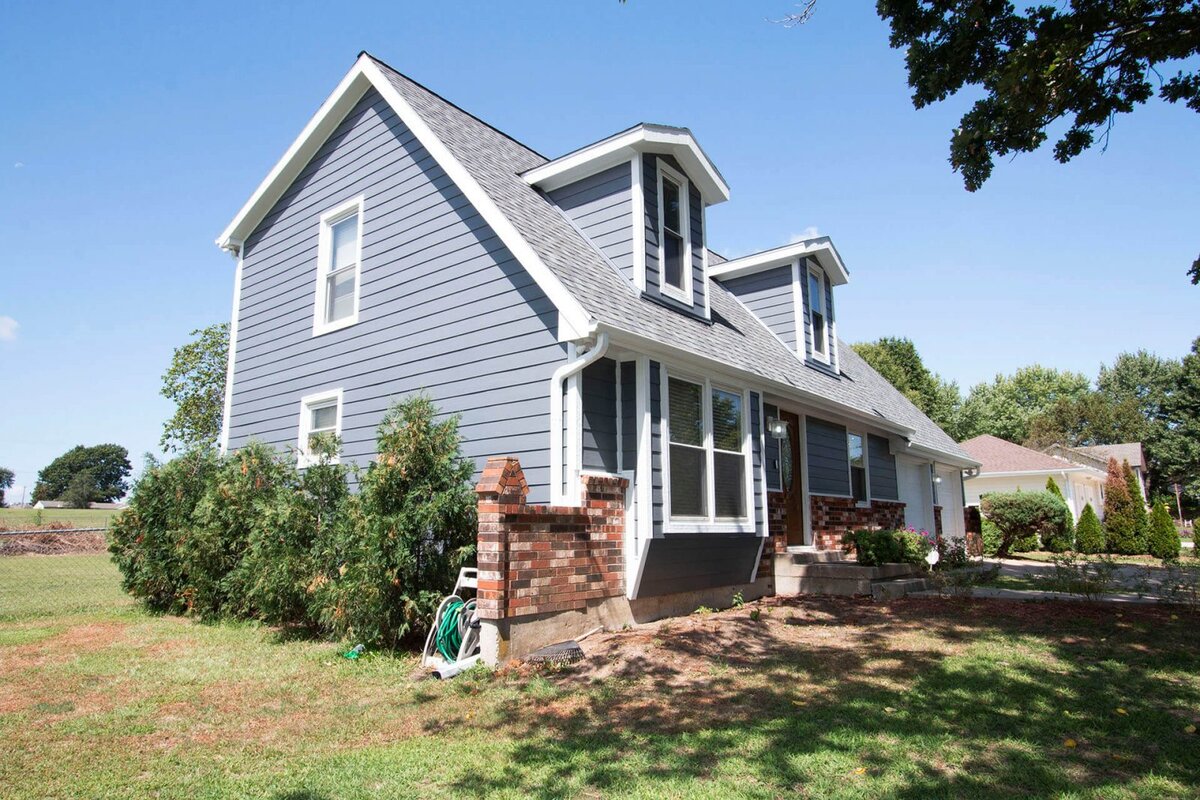

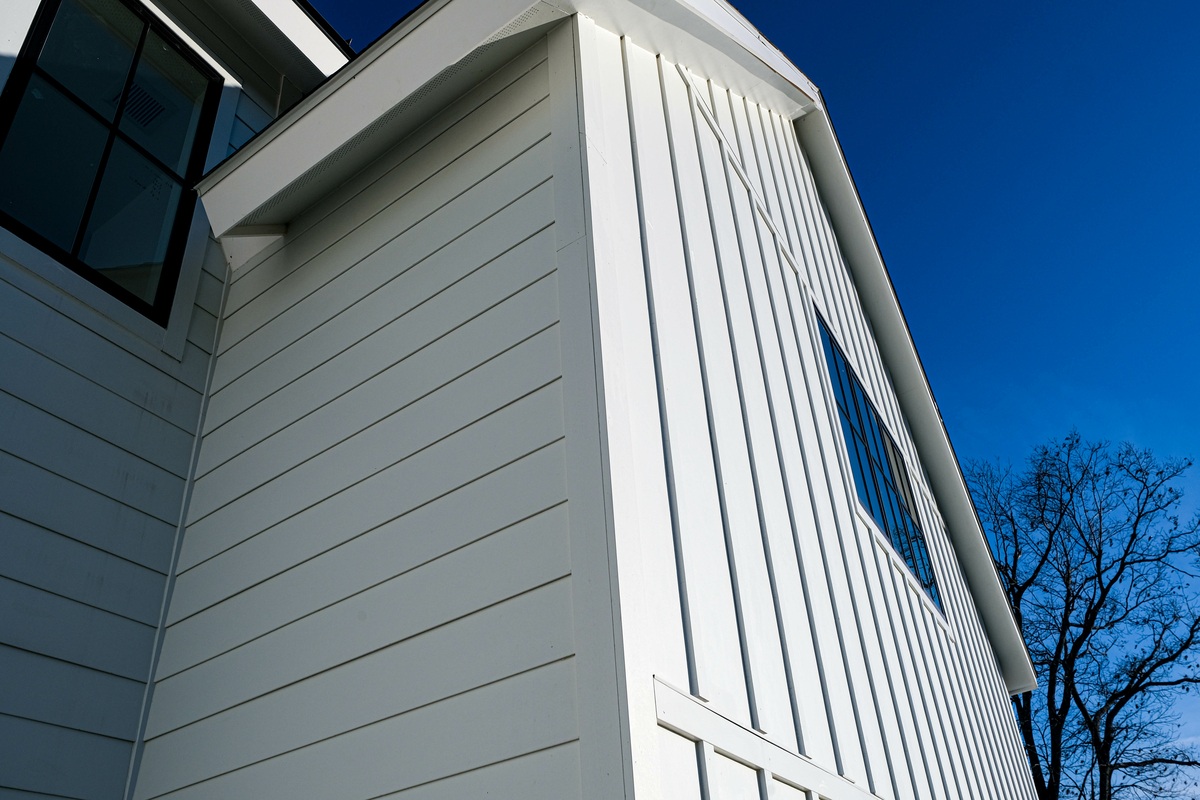
Insurance costs in Chicago are directly tied to risk factors such as fire exposure, storm damage, and long-term material performance. Exterior siding plays a role in that evaluation, especially when insurers assess how well a home can withstand common sources of loss. In many cases, James Hardie siding lowers home insurance potential because of its non-combustible composition and durability against weather-related damage.
Does James Hardie Siding Lower Home Insurance Rates?
In many cases, yes. However, it is not automatic and varies by insurance provider. Some companies offer discounts for materials that reduce fire risk or withstand severe weather.
Here is how it typically works:
- Insurers assess overall home risk, not just one feature
- Siding may qualify under “protective materials”
- Discounts are usually modest, not dramatic
Most homeowners see savings as part of a larger risk reduction strategy rather than a standalone benefit.
Why Insurance Companies View Fiber Cement as Lower Risk
Fire Resistance and Class A Rating
James Hardie siding carries a Class A fire rating, which is the highest available. This rating means it slows flame spread and provides more time during a fire event.
Non-Combustible Material Advantage
Unlike wood or vinyl, fiber cement does not ignite or melt when exposed to heat. This reduces the chance of fire spreading along exterior walls.
Impact Resistance Against Hail and Storms
Chicago sees hail, high winds, and seasonal storms. Fiber cement siding resists cracking and damage better than many alternatives, which lowers claim frequency.
Moisture and Rot Resistance
Properly installed Hardie siding resists moisture intrusion. This helps prevent long-term structural damage that can lead to costly insurance claims.
Key Takeaway: Insurance companies reward materials that reduce risk over time. Fire resistance and durability matter more than appearance when it comes to premiums.
How James Hardie Siding Lower Home Insurance Through Risk Reduction
The reason James Hardie Siding lowers home insurance is simple. It reduces the likelihood of major claims.
Insurers consider:
- Fire exposure risk
- Storm damage potential
- Long-term maintenance issues
Homes built or upgraded with durable, non-combustible materials are statistically less likely to file large claims. That lowers the insurer’s risk, which can translate into better rates or policy options.
How Much Can You Save With James Hardie Siding?
Savings vary widely based on your policy and property.
Factors that influence your premium include:
- Age of your home
- Location within Chicago
- Claims history
- Other upgrades, like roofing or electrical
Most homeowners see small percentage reductions rather than major drops. The real value comes from long-term protection and fewer repair costs.
Need expert help with siding replacement? Contact All Star Window & Siding for a free consultation.
James Hardie vs Vinyl and Wood Siding (Insurance Perspective)
Fire Risk Comparison
- Wood is highly combustible
- Vinyl can melt quickly
- Fiber cement resists ignition
Storm and Hail Resistance
- Vinyl can crack under impact
- Wood can split or rot
- Hardie siding maintains structural integrity
Long-Term Claim Likelihood
Fiber cement consistently results in fewer claims tied to fire, moisture, and storm damage.
Pro Tip: Insurance savings should not be the only reason to upgrade siding. Focus on durability, safety, and long-term value first. Any premium reduction becomes an added benefit.
Why James Hardie Siding Makes Sense for Chicago Homes
Chicago homes face constant exposure to:
- Freeze-thaw cycles
- Wind-driven rain
- Temperature swings
- Dense housing conditions that increase fire spread risk
James Hardie siding is engineered to handle these conditions. It maintains performance over time, which supports both home protection and insurance considerations.
What Insurance Companies Look for During Home Evaluations
When underwriting a policy, insurers review:
- Exterior materials and condition
- Roof age and quality
- Electrical and plumbing systems
- Overall maintenance
Siding plays a role, but it works alongside other systems. A well-maintained home with durable materials typically qualifies for better rates.
Questions to Ask About James Hardie Siding and Home Insurance
- Do you offer discounts for fiber cement siding?
- What documentation is required?
- Will an inspection be needed after installation?
Getting answers before your project starts helps you understand potential savings.
Professional Installation Matters More Than Material Alone
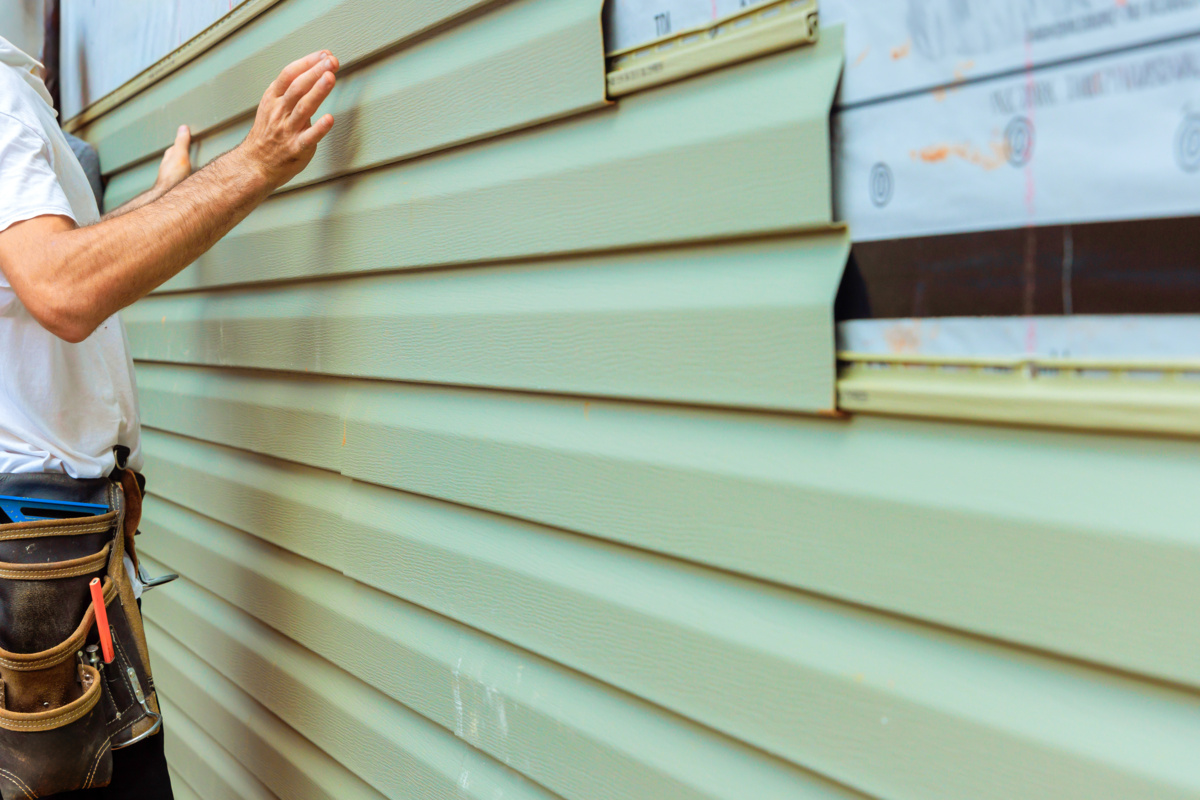
Even the best siding can fail if installed incorrectly.
Proper installation includes:
- Moisture barriers and flashing
- Correct fastening methods
- Manufacturer-approved techniques
Our team focuses on these details to ensure long-term performance. This protects your investment and supports any insurance benefits.
Why Work With All Star Window & Siding
We understand how Chicago conditions affect siding performance. Our team installs James Hardie siding with a focus on durability, proper water management, and long-term value.
Homeowners choose us because we:
- Specialize in fiber cement siding
- Follow the manufacturer’s best practices
- Deliver clean, consistent installation
Is It Worth It for Insurance Savings Alone?
Insurance savings alone should not drive the decision. The real value comes from:
- Reduced risk of fire damage
- Better resistance to storms
- Lower long-term maintenance costs
When combined, these benefits strengthen your home and may improve your insurance profile.
Get a Quote for James Hardie Siding in Chicago
If you are considering an upgrade, we can help you evaluate your options and understand the long-term benefits. Our team provides clear recommendations based on your home and goals.
Contact All Star Window & Siding today to schedule your free estimate and choose a siding solution built for long-term protection, performance, and the potential to help James Hardie siding lower home insurance.