
Water can get behind Hardie Board when siding is exposed to wind-driven rain, poor detailing, or improper installation. The real concern is how the wall system is built to manage moisture and prevent damage.
Hardie siding is designed to shed water, not stop it entirely. Long-term performance depends on proper installation, flashing, and a complete moisture control system behind the siding.
Does Hardie Board Absorb Water?
Hardie Board is made from fiber cement. It is designed to resist moisture, but it is not completely waterproof. In certain conditions, it can absorb small amounts of water, especially in exposed areas.
When installation is done properly, absorption is minimal and does not impact performance. Problems start when key details are skipped or damaged over time.
Where Moisture Can Enter Hardie Siding
Moisture typically enters through vulnerable points such as:
- Cut edges that are not sealed
- Butt joints without proper flashing or caulking
- Nail penetrations that are overdriven
- Cracks from impact or poor installation
What Happens When Moisture Is Absorbed
When moisture gets into these areas, it can lead to:
- Edge swelling or surface wear
- Paint breakdown and peeling
- Mold growth in surrounding materials if moisture gets trapped
Key Takeaway: Hardie siding itself is durable, but exposed edges and poor installation details are where problems begin.
Does Water Get Behind Hardie Board Siding?
Yes, and in many cases, small amounts of water behind siding are expected. Siding is built to shed most water, not act as a complete barrier.
Why Water Gets Behind Siding
Water can move behind siding due to:
- Wind-driven rain pushing moisture through seams
- Capillary action pulling water into small gaps
- Pressure differences during storms
Why This Does Not Cause Problems When Installed Correctly
A properly built system manages water effectively:
- Moisture drains down and away from the wall
- Airflow allows materials to dry out
- Protective layers prevent water from reaching the structure
Pro Tip: Siding performance is not about blocking all water. It is about controlling and redirecting it safely.
What Actually Protects Your Home From Water Behind Hardie Board
Most homeowners focus on the siding. The real protection is behind it. This is where many installations fail.
House Wrap (Weather-Resistive Barrier)
House wrap acts as the primary moisture defense. It prevents water from reaching the sheathing and interior framing.
Flashing and Trim Details
Flashing directs water away from critical areas like windows and doors. Poor flashing is one of the most common causes of water intrusion.
Proper Clearances and Installation
Spacing matters more than most people realize. Siding must be installed with proper clearance from:
- The ground
- Rooflines
- Decks and concrete surfaces
Without these gaps, water can wick into the material and stay there longer than it should.
Common Moisture Problems With Hardie Siding
Most moisture issues are tied to installation mistakes or overlooked details, not the product itself.
Improper Installation
Common issues include:
- Missing or incorrectly installed flashing
- Tight joints with no expansion space
- Poor sealing at transitions
Ground Contact and Drainage Issues
When siding is too close to soil or concrete, moisture exposure increases. Splash-back from rain can keep areas wet for long periods.
Aging and Maintenance Gaps
Over time, even a good installation needs upkeep. Problems can develop from:
- Failed caulking
- Worn or cracked paint
- Clogged or broken gutters
Need expert help with siding installation or inspection? Contact All Star Window & Siding for a free consultation and get it done right the first time.
Signs Water Is Getting Behind Your Hardie Siding
Early signs are often subtle but important to catch:
- Swelling or soft spots along edges
- Mold or staining near seams
- Paint bubbling or peeling
- Interior moisture spots or musty odors
- Gaps forming at joints or trim
Early vs. Advanced Warning Signs
- Early: Minor paint issues, small gaps, localized discoloration
- Advanced: Visible deterioration, interior damage, persistent moisture
Pro Tip: Regular inspections can catch small issues before they turn into major repairs.
How to Prevent Moisture Problems With Hardie Board
Prevention starts with the right approach from day one and continues with simple maintenance.
Professional Installation
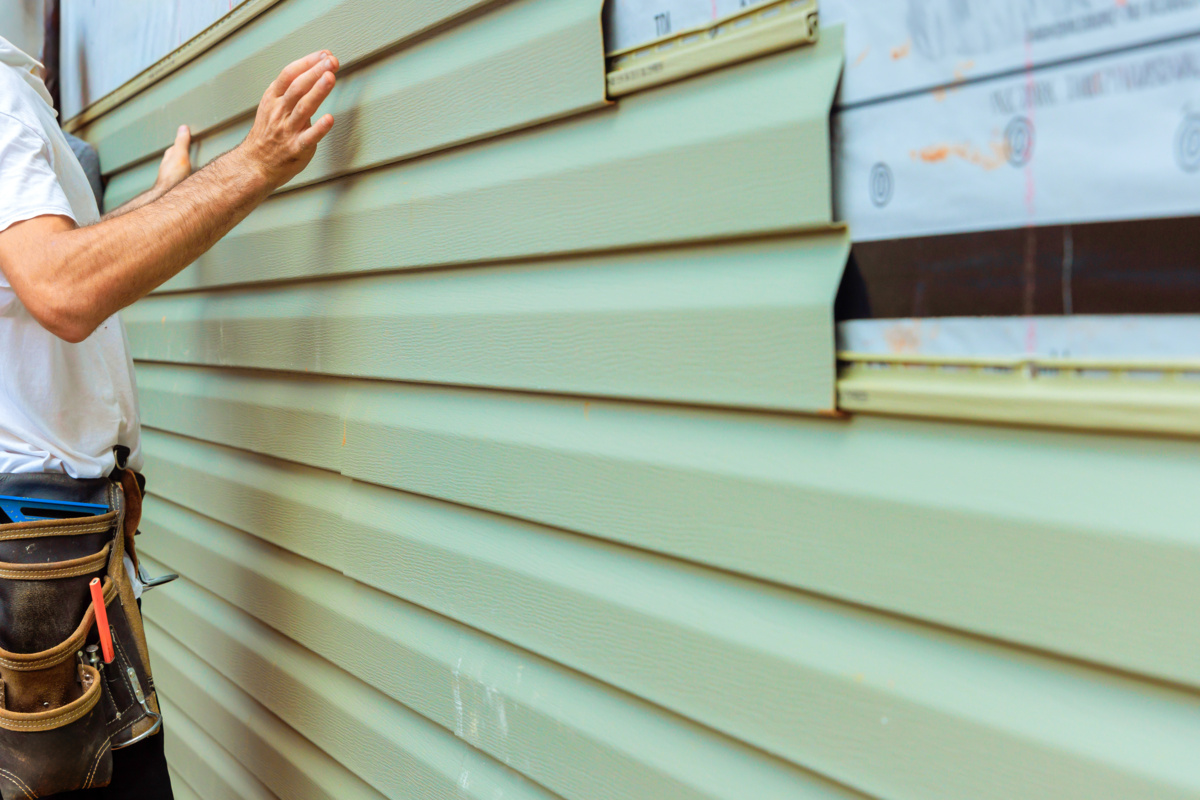
Experienced installers follow manufacturer specifications closely. This includes proper sequencing, spacing, and sealing.
Correct System Components
A strong system includes:
- High-quality house wrap
- Proper flashing at all transitions
- Approved fasteners and spacing
- Durable trim and sealants
Ongoing Maintenance
Keep your siding performing by:
- Checking caulking and joints annually
- Maintaining gutters and drainage
- Repainting when needed to protect exposed areas
Why Choosing the Right Siding Contractor Matters
The difference between a system that lasts decades and one that fails early often comes down to installation quality.
Small mistakes are not always visible right away. They show up later as moisture damage, repairs, and higher costs. Choosing a contractor with real experience in fiber cement systems makes a measurable difference.
Hardie Siding Installation Done Right
Our team focuses on the full system, not just the siding panels. Every step is handled with attention to moisture control and long-term performance.
We install Hardie siding according to manufacturer specifications, with proper flashing, sealing, and integration into the wall system. The goal is simple. Build a system that performs in real conditions and protects your home over time.
Get a Hardie Siding Inspection or Estimate
If you are seeing signs of moisture or planning a siding project, it is worth getting a professional evaluation. Catching issues early helps avoid larger repairs and protects your investment.
Contact All Star Window & Siding to schedule your inspection or estimate. Our team will assess your current setup, identify risks, and recommend the right solution to prevent water behind Hardie Board.