
Replacement windows affect energy use, comfort, and long-term maintenance costs. Performance, durability, ventilation, and efficiency should guide every decision, not just appearance. Homeowners comparing different types of windows need clear information before committing to a replacement project. This guide provides practical direction before moving forward with window replacement.
Understanding Window Replacement Basics
Window replacement usually becomes necessary when homeowners notice drafts, rising energy bills, moisture between panes, or difficulty opening and closing windows. These issues point to worn seals, aging frames, or outdated glass.
Replacement windows are designed to fit into existing openings. This makes installation faster and less disruptive than new construction windows. Climate, home age, and exposure to wind or sun all influence which window styles perform best.
Key Takeaway: Replacing windows early helps prevent water damage, heat loss, and costly repairs tied to failing frames or seals.
Window Anatomy Explained
Every window has core components that affect durability and efficiency.
- Frame: The outer structure that supports the window
- Sash: The moving or fixed part that holds the glass
- Glass panes: Usually double or triple pane for insulation
- Spacers and seals: Maintain separation and prevent air leaks
Quality construction across all these parts determines how long a window lasts and how well it performs.
The Most Common Types of Windows for Homes
Homeowners often focus on style, but function matters just as much. Below are the most requested replacement window styles we install.
Double Hung Windows
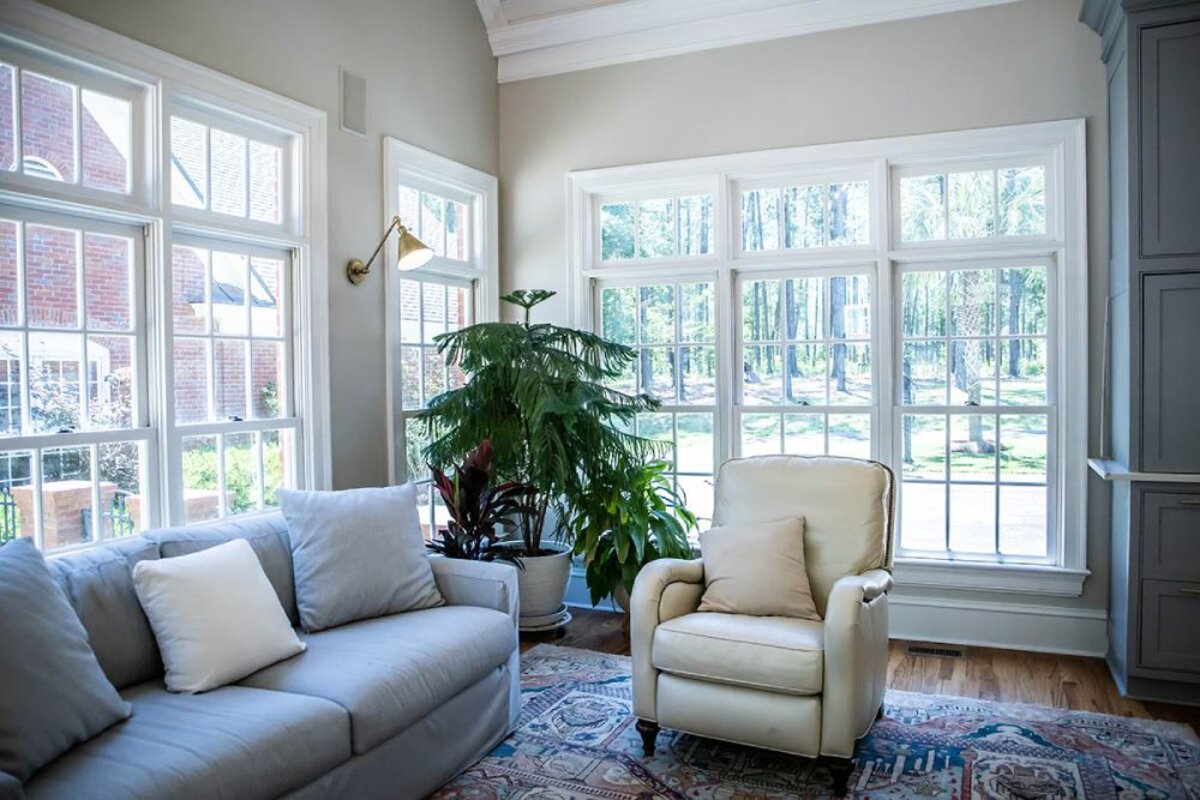
Two operable sashes allow airflow from the top, bottom, or both, improving ventilation control. They are easy to clean and work well in bedrooms, living areas, and multi-story homes.
Single Hung Windows
Only the bottom sash opens while the top remains fixed, which simplifies the design. This style offers similar performance to double-hung windows at a lower cost.
Sliding Windows
Sliding windows open horizontally along a track, making them ideal for wide openings. They are commonly used in living rooms and basements where vertical clearance is limited.
Picture Windows
Picture windows do not open and are designed to maximize natural light and outdoor views. They are often paired with operable windows nearby to provide ventilation.
Glass Block Windows
Glass block windows provide privacy, security, and moisture resistance. They are most often installed in basements, bathrooms, and utility spaces.
Pro Tip: Choose window styles based on how each room is used, not just appearance. Ventilation, access, and cleaning should guide the decision.
Pro Tip: Choose window styles based on room use first, then appearance. Ventilation needs should guide your decision.
Other Window Styles Homeowners Ask About
Some homes require specialty solutions. Common alternatives include:
- Casement windows for full airflow
- Awning windows for ventilation during rain
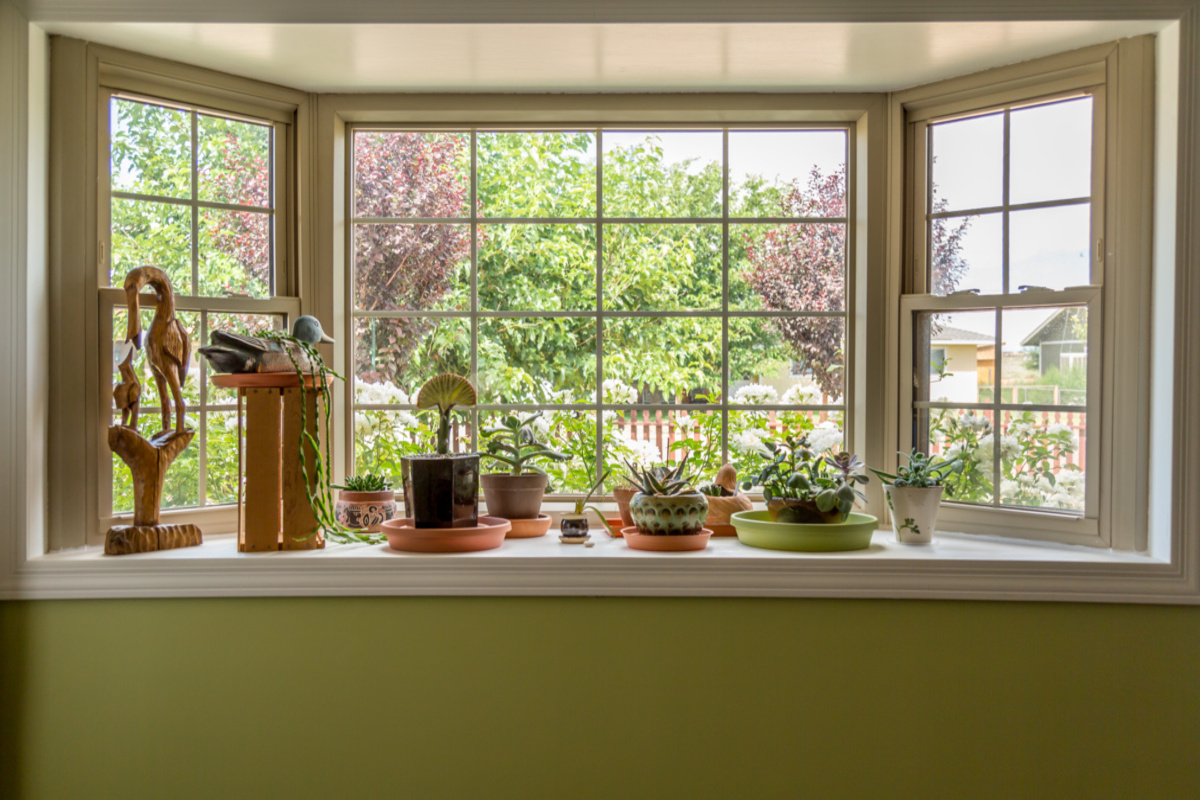
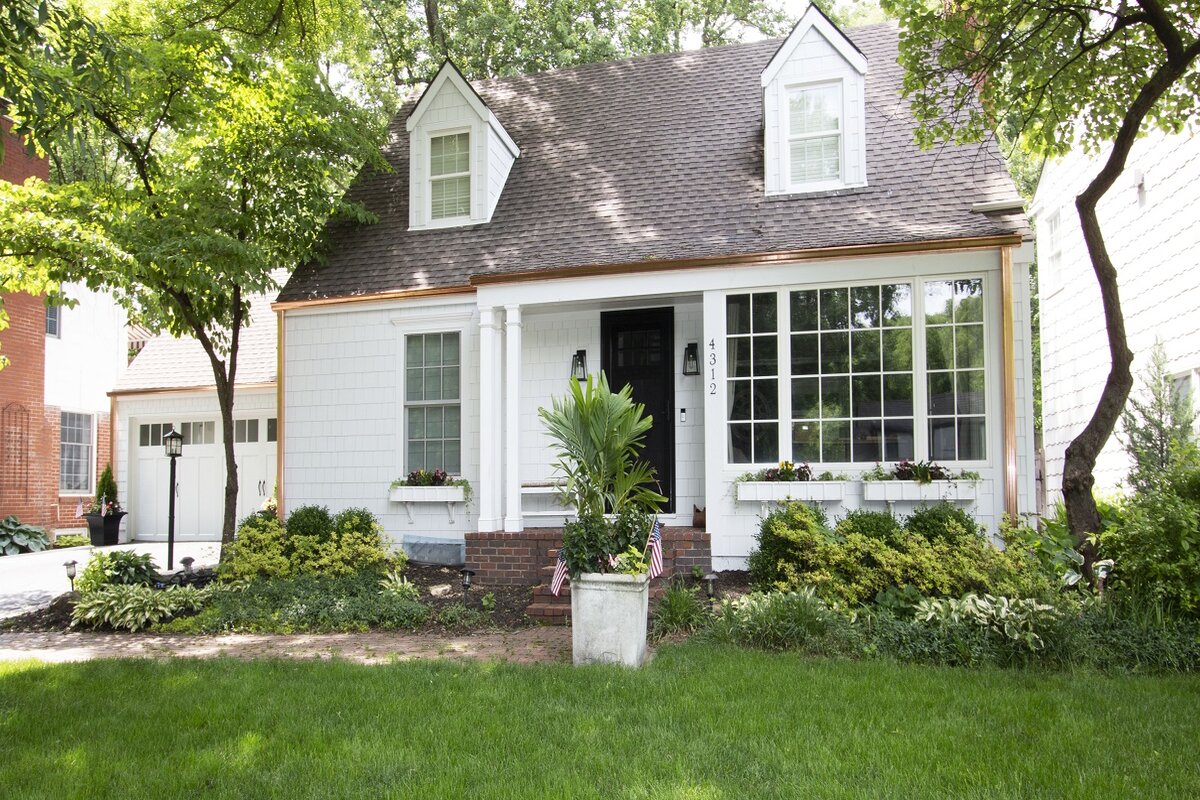
- Bay and bow windows for added space and light
- Custom-shaped windows for architectural accents
These options work best when planned carefully with proper measurements and installation.
Need expert help with window replacement? Contact All Star Window & Siding for a free consultation.
Common Window Sizes and What to Expect
Standard window sizes help reduce cost and installation time, but older homes often require custom measurements. Final sizing depends on wall structure, framing, and local code requirements.
Double Hung and Single Hung Window Sizes
These windows commonly range from 24 to 48 inches wide and 36 to 72 inches tall. Actual sizes vary based on existing openings and framing conditions.
Sliding Window Sizes
Sliding windows are typically wider than they are tall. They are frequently installed in living rooms, basements, and large wall openings.
Picture Window Sizes
Picture windows are highly customizable and often built to fit the opening exactly. Size is limited by structural support and glass weight.
Casement Window Sizes
Casement windows are usually taller and narrower than other styles. Their size affects airflow and may need to meet egress requirements in certain rooms.
Window Frame Materials Explained
Window frame material impacts energy efficiency, maintenance needs, and overall lifespan. Choosing the right material helps balance cost, performance, and durability.
Vinyl
Vinyl frames require minimal maintenance and offer strong energy performance. They are one of the most cost-effective options for replacement windows.
Aluminum and Aluminum Clad
These frames provide strength and a clean appearance. Aluminum-clad options improve durability when paired with insulated materials.
Wood
Wood frames offer a traditional look but require regular maintenance. They are more susceptible to moisture and weather-related wear.
Fiberglass
Fiberglass frames are stable and resist expansion and contraction. They perform well in temperature extremes and offer long-term durability.
Key Takeaway: Vinyl and fiberglass frames provide the best balance of energy efficiency, durability, and long-term value for most homeowners.
Window Glass and Energy Efficiency
Modern windows rely on advanced glass technology.
- Double or triple-pane glass improves insulation
- Low-E coatings reduce heat transfer
- Gas fills add thermal performance
Energy-efficient windows help stabilize indoor temperatures and reduce utility costs year-round.
Optional Window Features Worth Considering
- Decorative grids
- Privacy or security glass
- Noise reduction options
- Tilt-in sashes for easier cleaning
Choosing the Right Windows for Your Home
The right window depends on room layout, budget, and performance goals. Our team helps homeowners evaluate these factors and avoid mismatched styles or undersized units.
Get Expert Help Choosing the Right Windows
We guide homeowners through selection, measurement, and installation with clear recommendations and honest pricing. If you are planning a window upgrade, our team is ready to help you compare options and move forward with confidence. Schedule a consultation today to find the best types of windows for your home.