
Exterior design decisions require more than choosing a siding material. Profile orientation affects proportion, drainage, and long-term performance across the entire wall system. Mixing vertical and horizontal siding allows precise control over visual structure while supporting proper moisture management and architectural alignment.
Strong results come from planning, not trial and error. Clear profile hierarchy, proper trim transitions, compatible materials, and correct installation sequencing determine whether a mixed layout looks intentional and performs as designed over time.
Why Mixing Vertical and Horizontal Siding Works
Visual Balance and Proportion
Siding orientation influences how a home is perceived from the street. Horizontal siding emphasizes width and stability. Vertical siding draws the eye upward and adds height. When combined correctly, these profiles balance long rooflines, reduce boxy appearances, and create a more refined exterior.
Functional Zoning of the Exterior
Different siding directions help define areas of the home. Vertical accents highlight entries, gables, and second stories. Horizontal siding anchors the main wall sections. This zoning makes large elevations easier to read and visually organized.
Material Performance Considerations
Orientation also affects performance. Vertical profiles shed water efficiently on exposed walls. Horizontal profiles work well on broad elevations when properly flashed and installed. Planning both together helps manage moisture, wind exposure, and long-term wear.
Key Takeaway: Mixed siding works best when one orientation leads and the other supports the design and performance goals.
Key Planning Factors Before Mixing Siding Styles
Home Architecture and Rooflines
Ranch homes, two-story builds, and modern designs each respond differently to siding orientation. Long, low homes benefit from vertical accents. Taller homes often need horizontal balance to avoid looking narrow or top-heavy.
Dominant Siding Profile Selection
Every successful design has a primary profile. Most homes use horizontal lap siding as the base, with vertical or textured accents added selectively. Establishing this hierarchy prevents visual overload.
Color Strategy and Contrast Control
Color ties mixed profiles together. Subtle contrast works best for most homes. High-contrast designs require strong trim lines and careful placement to avoid a fragmented look.
Trim Depth and Transition Details
Trim is what makes mixed siding look intentional. Proper corner boards, frieze boards, and transition trim separate profiles cleanly and protect against moisture intrusion.
Existing Exterior Elements
Stone, brick, windows, soffits, and fascia should guide siding choices. Mixed profiles must complement existing materials, not compete with them.
Pro Tip: If trim lines are unclear in the design phase, mixed siding will look unfinished after installation.
Best Siding Combinations by Dominant Profile
If Horizontal Lap Siding Is the Primary Style
This is the most common setup for Midwest homes.
Board and Batten Accents
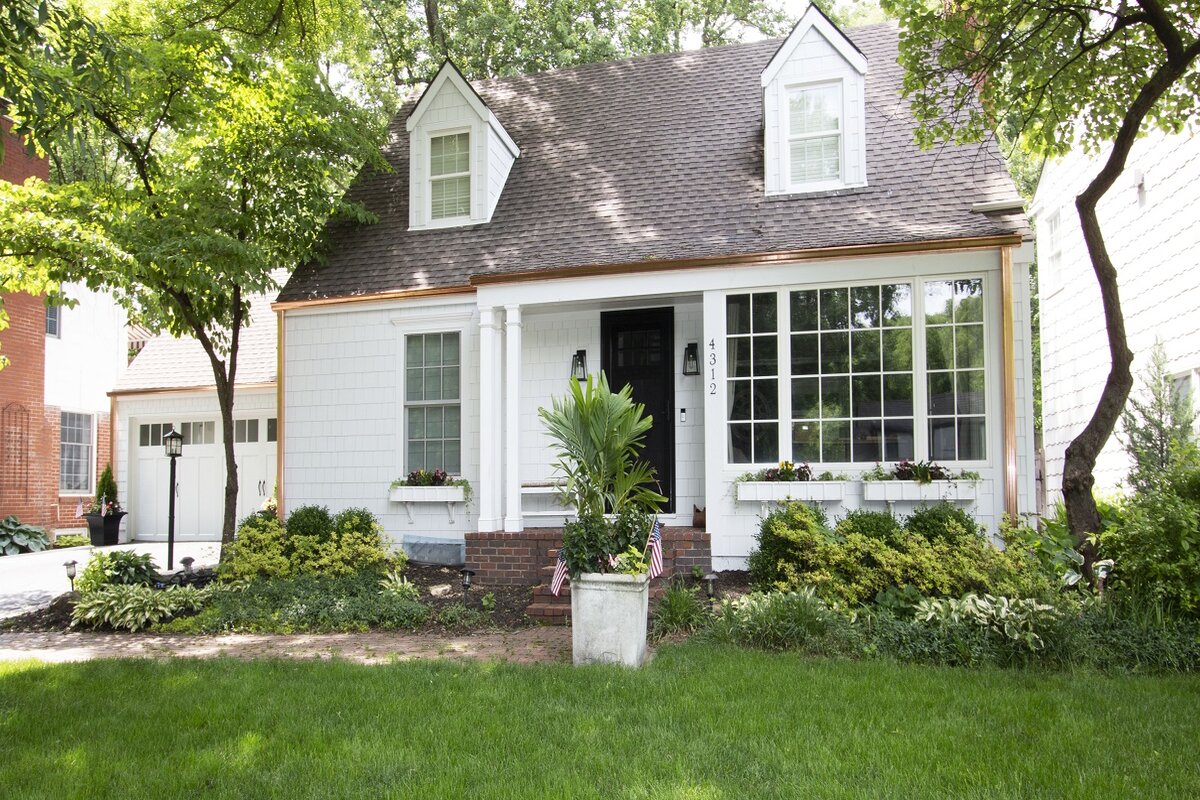
Vertical board and batten works well in gables, dormers, and entry features. It adds height and contrast without overwhelming the facade.
Shingle or Shake Accents
Shingles add texture to upper elevations and soften rooflines. They pair best with neutral lap siding below.
Vertical Panels for Modern Contrast
Used sparingly, vertical panels introduce clean lines and contemporary appeal.
If Shingle or Shake Siding Is the Primary Style
Horizontal Lap for Stability
Lap siding grounds textured surfaces and prevents busy elevations.
Vertical Accents for Height
Vertical sections work best on upper walls or narrow projections.
Color Simplification Strategies
Limit color variation to keep multiple textures cohesive.
If Vertical Panel or Board and Batten Is the Primary Style
Horizontal Lap for Balance
Horizontal siding offsets tall vertical lines and improves proportion.
Smooth vs Wood-Look Panels
Smooth panels create a clean appearance. Wood-look panels add warmth with less maintenance.
Traditional and Modern Mixes
Farmhouse and contemporary homes both benefit from controlled profile changes.
Key Takeaway: The more dramatic the dominant profile, the simpler the supporting profiles should be.
Where Mixing Vertical and Horizontal Siding Works Best
Gables and Roof Peaks
High visibility with minimal risk. This is often the best place to start.
Second Stories and Upper Levels
Vertical accents reduce the visual weight of tall walls.
Entryways and Front Elevations
Mixed siding draws attention to focal points and improves curb appeal.
Additions and Bump-Outs
Orientation changes help new sections blend with the original structure.
Need expert help with a siding design or replacement project? Contact All Star Window & Siding for a free consultation.
Material Options That Perform Well Together When Mixing Vertical and Horizontal Siding
Fiber Cement Siding Combinations
Fiber cement handles profile changes well. It offers durability, fire resistance, and clean trim transitions.
Vinyl Siding Combinations
Vinyl works best with limited profile changes and proper trim depth.
Engineered and Composite Accents
Used selectively, these materials add design flexibility with consistent performance.
Pro Tip: Material compatibility matters as much as appearance when mixing vertical and horizontal siding.
Common Mistakes to Avoid When Mixing Siding
- Using too many profiles on one elevation
- Skipping transition trim to save cost
- Ignoring exposure and drainage paths
- Mixing styles without a clear dominant profile
Professional Installation Makes the Difference
Why Layout, Flashing, and Sequencing Matter
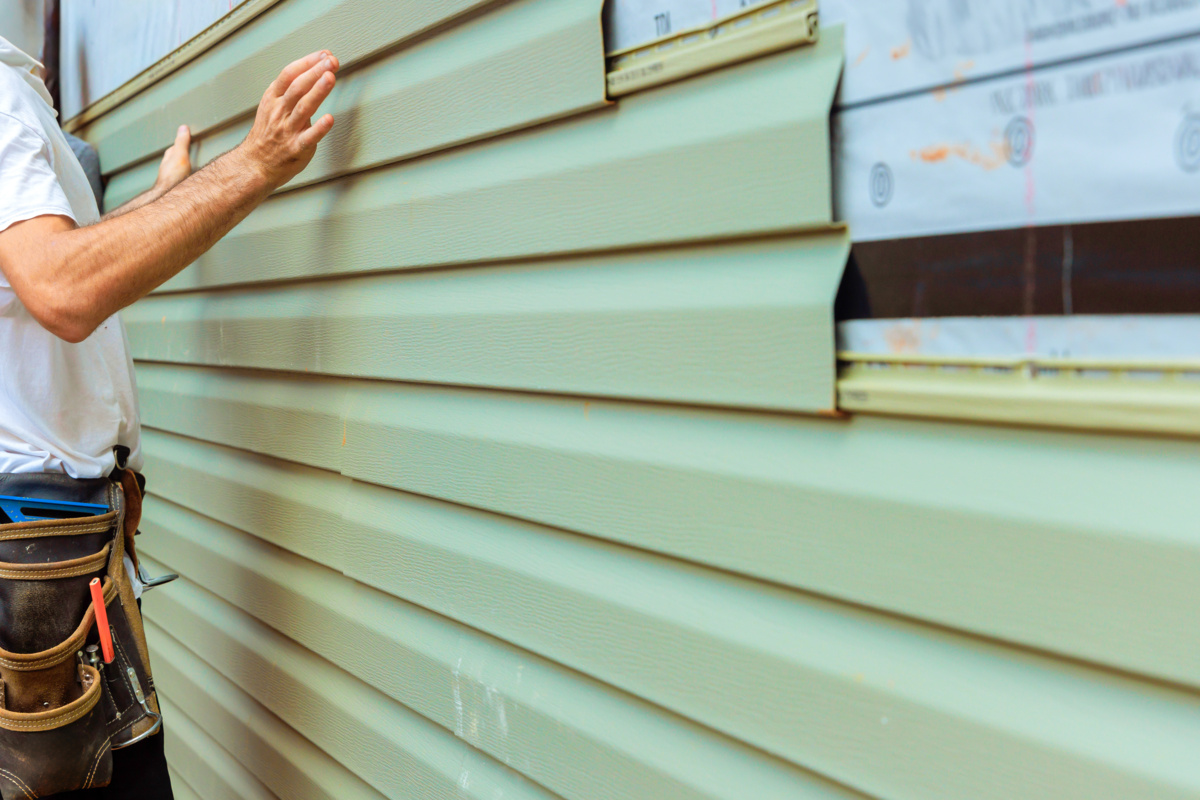
Mixed siding requires precise planning. Layout determines alignment. Flashing protects transitions. Sequencing ensures proper water management behind every profile.
Coordinating Siding With Windows and Trim
Windows, doors, and trim should align with siding breaks. This coordination improves appearance and long-term performance.
Bring Your Exterior Vision to Life With All Star Window & Siding
We design and install siding systems that look intentional and perform for decades. From material selection to trim detailing, we guide every step of the process. If you are considering mixing vertical and horizontal siding or planning a full exterior upgrade, our team is ready to help.
Schedule a consultation with All Star Window & Siding today and get expert guidance tailored to your home.