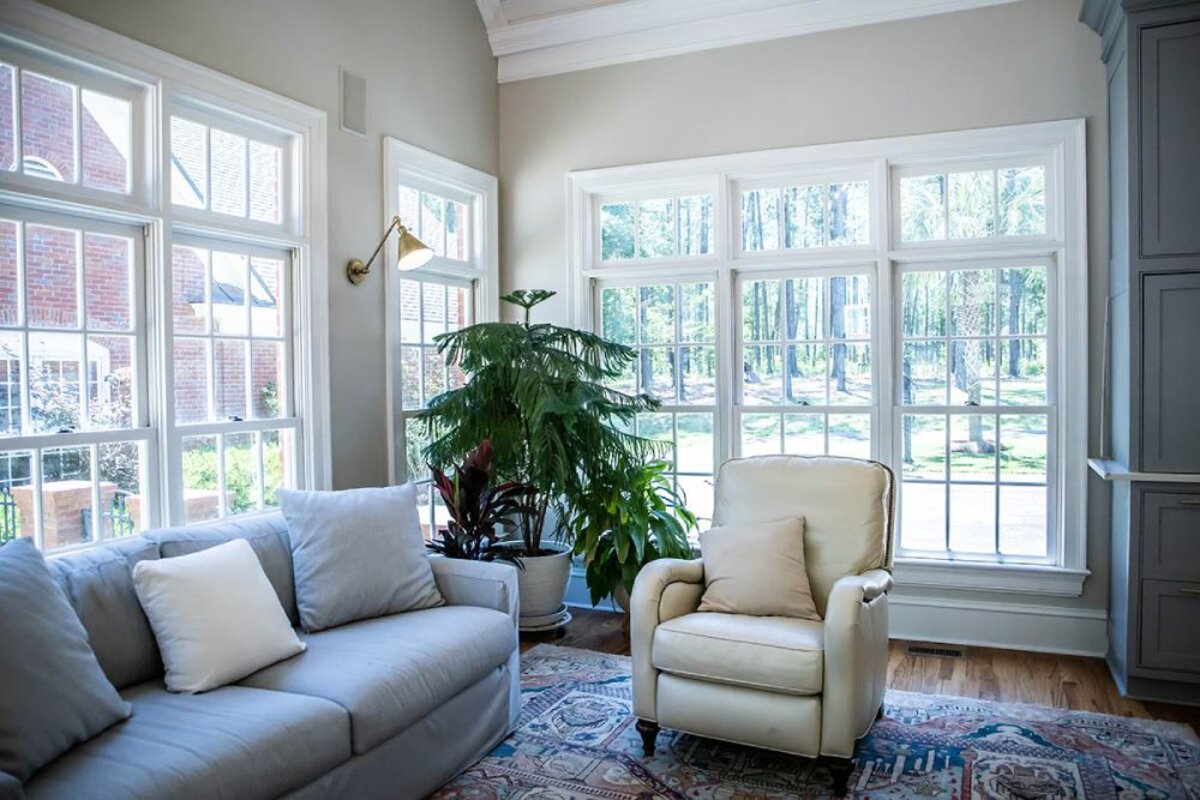

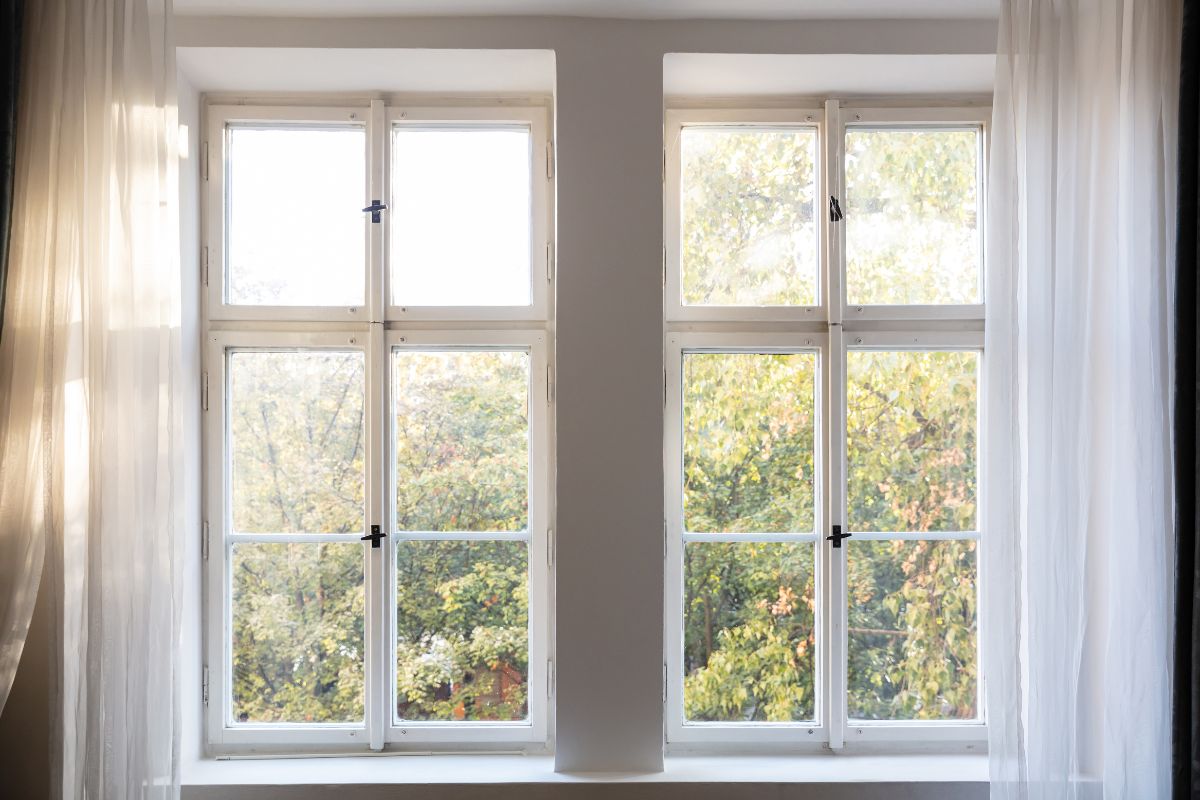
A bay window can transform a room by adding space, light, and character. Each design brings its own shape and charm, whether you want a bright kitchen nook or a wider view in your living room. The different types of bay windows work well in both classic and modern homes, depending on layout and style.
Below, we break down each type, where it fits best, and what to expect during design and installation.
What Is a Bay Window?
Simple Definition
A bay window sticks out from the wall and creates a small nook inside. It uses three or more windows set at angles. The center is usually fixed, and the side windows can open for fresh air.
Everyday Benefits
You get more natural light, a spot for a small bench or table, wider views, and stronger curb appeal.
Why Picking the Right Type Matters
Each style has its own shape, angle, and size. The wrong choice can look odd or cost more than it should. The right choice fits your home and makes the room feel bigger and brighter.
Key Takeaway: Match the bay style to the room use, the home’s look, and your budget. Good fit equals better results.
The History and Architectural Roots of Bay Windows
Early Uses
Bay and oriel windows showed up on older homes to catch light on narrow streets. Builders used them to add charm and to open up small rooms.
Modern Materials, Better Performance
Strong frames, insulated glass, and improved flashing keep drafts out and water away. Today’s bays give you classic style with modern comfort.
Why They Work in Chicago
Our weather swings from hot summers to cold winters. A well-built bay with the right glass and sealing handles the change and keeps your room comfortable.
8 Types of Bay Windows and Best Rooms to Use Them
-
Traditional (Full) Bay
- Best for: Living rooms and dining rooms
- Why: Gives a balanced look, strong light, and a natural spot for seating
-
Box Bay
- Best for: Kitchens and breakfast nooks
- Why: Clean lines, easy to size, great for a table or plants
-
Bow (Curved) Bay
- Best for: Formal rooms and large façades
- Why: Soft curve, elegant face, wide view
-
Polygonal Bay
- Best for: Homes with angles or modern detail
- Why: Multiple facets create a bold look
-
Cascading Bay
- Best for: Tall spaces or stair landings
- Why: Stacked effect adds drama and light across floors
-
Oriel Bay
- Best for: Upper stories
- Why: Supported from below, it adds light without changing the ground footprint
-
Circle Bay
- Best for: Front elevations that need a focal point
- Why: Gentle curve softens hard lines
-
Canted Bay
- Best for: Older homes and city lots
- Why: Angled sides fit tight spaces and historic styles
Pro Tip: Bring a phone photo of your home’s front and the room you plan to upgrade. We use those images to test each shape and trim detail on the spot.
Matching a Bay Window to Your Chicago Home
By Architectural Style
- Victorian or historic: Bow, oriel, canted
- Craftsman or bungalow: Traditional or box
- Modern or mid-century: Polygonal or box with slim frames
By Room or Purpose
- Reading nook: Traditional with a bench seat
- Kitchen dining: Box with a shallow projection
- Bedroom view: Bow for wide sight lines
- Upper story: Oriel to keep the ground level clear
By Size and Budget
- Good value: Box and traditional shapes are cost-smart
- Premium look: Bow and circle add a high-end face
- Space limits: Canted and oriel work where room is tight
Key Takeaway: Plan for projection depth, seat height, and shade needs. A small tweak to size can help furniture fit and keep sun glare in check.
Need expert help with a bay window project? Contact All Star Window & Siding for a free consultation.
Chicago Installation Factors
We check structure, insulation, flashing, and exterior cladding. We tie the bay into your siding and roof lines, seal the head and sill, and set proper support so it stays true over time.
Pro Tip: Ask for pictures of your wall framing before we close it. Clear photos make future service simple.
How We Help You Choose and Install
Our Step-By-Step Process
- Free consultation: We measure the opening and review goals.
- Design: We match the best style, frame, glass, and trim.
- Install: Factory-trained crews set, support, and seal the bay.
- Finish: Interior stool, apron, and casing. Exterior trim and flashing.
- Warranty: Product coverage plus our lifetime workmanship warranty.
Brands and Options
We work with respected brands and offer frame choices and glass packages that fit Chicago’s weather. You get a bay that looks right and performs well.
Key Takeaway: A skilled install is as important as the product. Solid support and tight sealing protect your investment.
FAQ: Common Questions
What is the difference between a bay and a bow window?
A bay uses three or more windows set at angles, creating a faceted look. A bow uses four or more windows in a gentle curve for a softer line.
Can I replace a flat window with a bay?
Yes. We review the framing, size the header, and add support as needed so the new projection stays true.
How long does the installation take?
Most projects finish in one to two days after the unit arrives, including interior trim and exterior sealing.
Will it help energy use?
Often, yes. With low-E glass, insulated frames, and tight seals, a bay reduces drafts and can improve comfort year-round.
Get Started With a Free Bay Window Consultation
You have many choices. The types of bay windows cover classic and modern looks, open up tight rooms, and boost curb appeal. We guide you on style, size, glass, and trim, then install it the right way. Ready to plan your project in the Chicago area? Call All Star Window & Siding or request your free in-home estimate today.